
Course Material,
Do’s and Don’ts
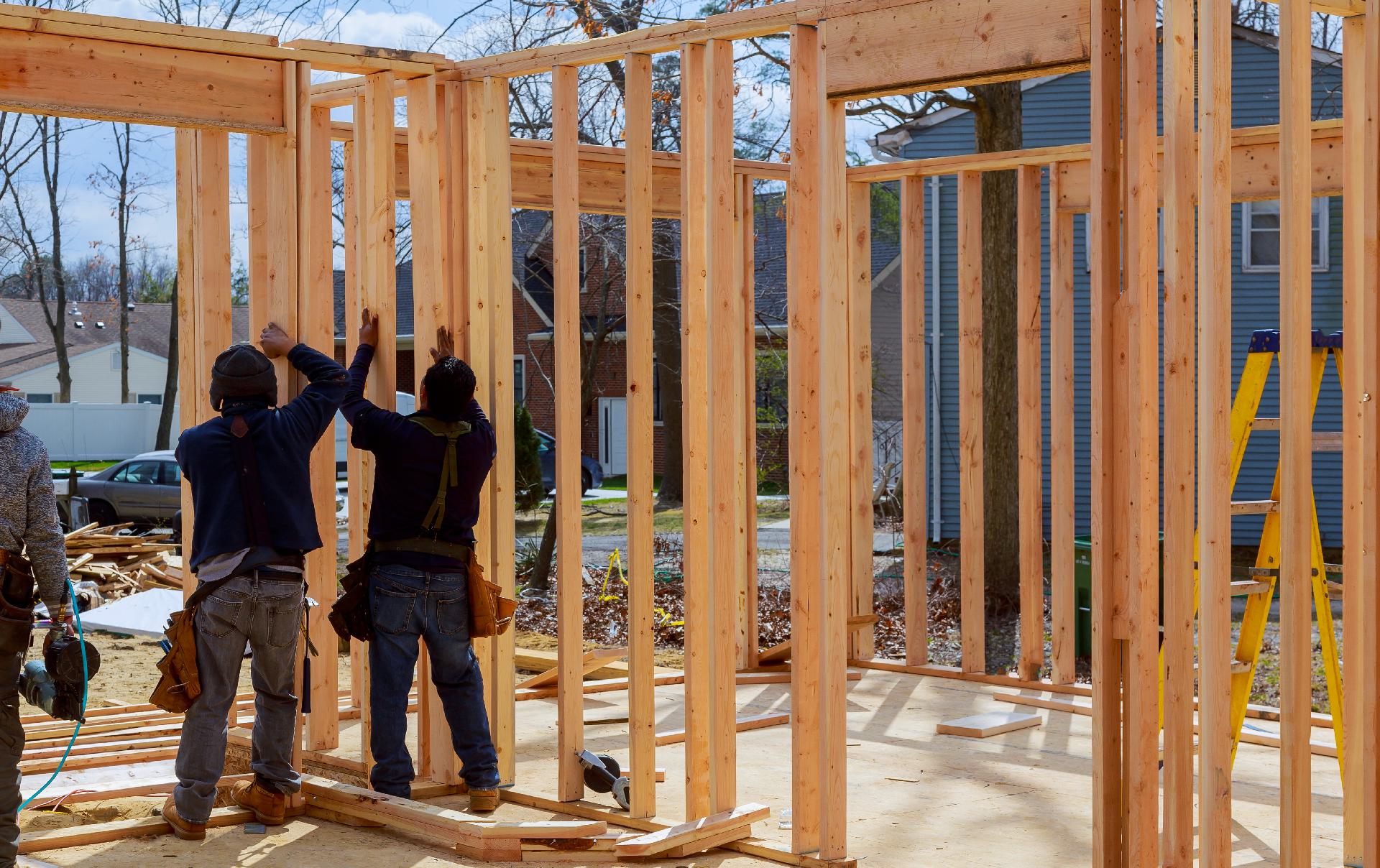
Starting a building project or a renovation can be both thrilling and overwhelming, especially considering it might be one of the most significant financial decisions you’ll ever undertake. Learning from experienced professionals can make the journey smoother. Here, we share key “Do’s and Don’ts” to help you bring your project in on time and on budget, while avoiding potential disputes and delays. Before commencing any construction project, whether it’s new construction or a major renovation, thorough research is crucial. Start by identifying reputable builders. Don’t rush this step; instead, consult friends, family, and online resources to gather recommendations and reviews. An excellent way to get a feel for potential builders is to visit their completed projects or model homes. This will give you firsthand insight into their workmanship and attention to detail. Avoid builders with a history of disputes or poor-quality work. Understand the importance of detailed and complete plans before starting. Vague ideas penned on a napkin won’t suffice. You need a comprehensive set of plans and specifications that include every detail, from the layout of the rooms to the types of materials to be used. Decide whether you need the services of an architect for a bespoke home or if a project builder’s offerings suit your needs. A well-defined plan ensures that both you and the builder are on the same page and helps prevent miscommunications. Equally important is defining the site where your project will take place. The land you build on can significantly impact your construction process and costs. Consider factors like soil quality, slope, and accessibility. All these aspects need to be evaluated as they can lead to additional expenses. For instance, building on a steep incline could require specialized foundations and retaining walls. Finance is another major area that requires attention. Construction loans differ significantly from standard mortgages. They operate on a drawdown basis, meaning funds are released in stages as the project progresses, ensuring you only pay interest on the money that has actually been spent. Engage a mortgage broker experienced in construction finance to guide you through this process and obtain pre-approval to understand your financial boundaries clearly. Choosing the right builder is crucial. Engage multiple builders and get detailed quotations from each. Don’t be swayed entirely by the lowest offer; instead, compare the inclusions and exclusions in their quotes. Understand the allowances and fixed-price components. Dig deeper into their reliability and professionalism before making your decision. Once you have made your choice, ensure that the builder can meet your timeframe and start work promptly. While carrying out the construction, understand the contract’s milestones, often referred to as progress claims. These are critical points in the project where payments are made to the builder as different stages are completed. This setup maintains cash flow for the builder and ensures the project keeps moving forward. Discuss these with your builder and bank to avoid delays due to financing issues. Effective communication with your builder is key to a smooth process. Set clear lines of communication and adhere to agreed schedules for meetings and updates. Regularly inspect the progress but avoid micromanaging, as it can create friction and delays. Trust the experts to do their work while you stay informed through planned site visits and scheduled updates. Variations, or changes to the initial agreed plans, can be particularly contentious and costly. Each variation usually incurs additional costs and possibly delays. Therefore, carefully consider any changes before requesting them, and get everything documented and agreed upon formally to avoid disputes. As the project nears completion, you will reach the practical completion or handover stage. It’s a momentous milestone requiring careful attention. Perform a detailed walkthrough with the builder to spot any minor defects or omissions and document them. Most contracts include a defects liability period during which the builder will return to fix any issues found after you move in. Finally, maintain a good relationship with your builder. Treating the project as a partnership rather than a battle will yield better results and keep the process enjoyable. With careful planning, professional help, clear communication, and a collaborative mindset, building or renovating your home can be a satisfying and well-executed venture.
Education
Preview some of our course material
Information is the basis for all successful projects. Our courses are designed to step you through the entire process of building or renovating a property.
Watch & Learn
How to Build a House
Industry Intelligence
Recently published News.
Read the latest articles and industry insights.
Free Resource
Download My Free eBook
All the skills, knowledge and tools to manage your building or renovation project like a pro.
Get Your Free Copy